Frankenstein, or the Modern Prometheus by Mary Shelley (1818)-A scientist dabbles in creating life, only to face tragedy when his creation turns on him.
Why I Like It-Going back to the original gives a new view of the story.
This is the latest in my exploration of classics I’ve never read. Like “Dracula” I’m not sure how I escaped this one on a “required reading” list at some point in my life. Like Bram Stoker’s classic, this novel surprised me.
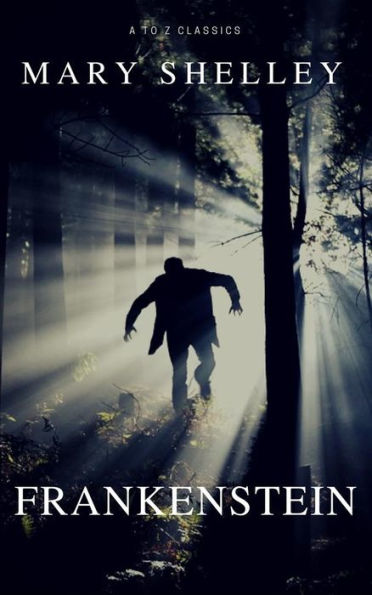
My only understanding of the Frankenstein story is from the movies. If you are in the same boat, let me warn you: the book is nothing like the movies.
Here are the following similarities:
- Victor Frankenstein is a scientist who creates a person, bringing it to life.
- The monster is larger than a normal human, and terribly ugly.
- A child dies.
- There is a love interest for Frankenstein.
I can’t think of any other overlaps between the stories. The original story bears no resemblance to the versions that have grown from it. The most iconic scene from many versions, most especially the 1931 Colin Clive/Boris Karloff movie, is the moment when the lightning reanimates the body. Clive’s (Henry) Frankenstein looks to the heavens and screams, “IT’S ALIVE!!!” That moment takes place BEFORE the action of the book begins, and happens “off stage”. The Monster itself doesn’t make a proper appearance (it’s seen in the distance twice) until Chapter Nine. Frankenstein doesn’t lose control of his experiment, he intentionally abandons it to its fate. His creation is bigger, stronger, and faster than a normal man. Intellectually, it’s the equal. Why does the doctor abandon his by almost all standards successful experiment? It’s physically ugly. No other reason is ever offered. This is consistent with the culture of the time, and of our time to an extent as well. The common ancestry of the stories is clear, but they are told from two almost opposite points of view.
Mary Shelley (at the age of eighteen, no less), creates a thoughtful examination of the challenges facing a scientist who plunges into something without careful consideration. Her thinking also impressed me through the reality of the Monster. Reborn with no memory of anything that went before, this person has to pass through the developmental stages of childhood while in the body of a powerful adult. All their senses pour impressions of the world into their brain with no order. The world unfolds slowly for the creature, and all without any parental guidance of any kind. What the doctor creates is an adult of incredible ability with the emotional maturity of a thirteen-year-old. In its own way, Mary Shelley’s “Frankenstein” is an amazing piece of writing.
I cannot deny that the writing style of the time will be a challenge for some modern readers. Shelley’s primary concern is the internal, mental and emotional struggles of creator and creature. Most of the “action” happens offstage, and then described by the narrator. The use of language is elaborate and voluminous (there are a lot of words), which many readers find tiresome in this day of short attention span entertainment. The ending leaves a lot to be desired. Frankenstein gets his chance for a final monologue, then the monster gets his. Then the book ends. While some folks may call me for objecting to a lack of a clear ending, this ending just doesn’t do it for me. I would say it’s worth the effort, however.
Call it science fiction. Call it horror. Call it the story of revenge filled child seeking to punish its failure of a parent. “Frankenstein” remains a classic piece of Gothic literature.
Rating – *** Worth A Look
I just couldn’t resist!


Leave a Reply